When a Novel Becomes a Film, What Can Stay the Same?
See how a novel-to-film adaptation can preserve its central conflict or point of view while changing narration into images, sound and performance.
A novel-to-film adaptation can preserve a story’s central conflict or point of view without keeping its sentences, scenes or ending intact. What matters is whether the film finds an equivalent way to make the same pressure felt: through a face, a sound, a withheld image or a changed rhythm.
That distinction helps explain why a close plot summary can feel strangely unfaithful, while a film with substantial changes may still seem true to its source. The useful question is not simply what stayed, but what work each surviving element performs.
Novel-to-film adaptation
- Keep the central conflict active. A story’s conflict is the pressure that forces its characters to choose, resist or change. A novel might build that pressure through a character’s private arguments over many pages; a film can preserve it by making each encounter sharpen the choice, even if the scenes are rearranged.
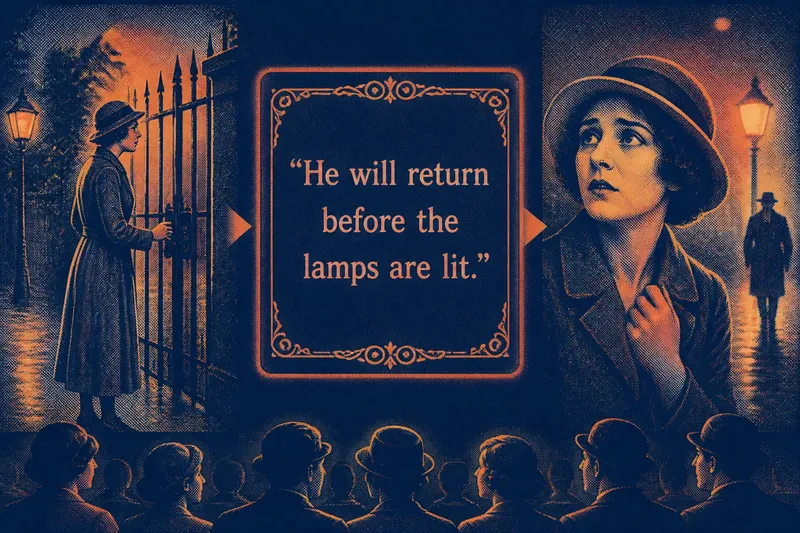
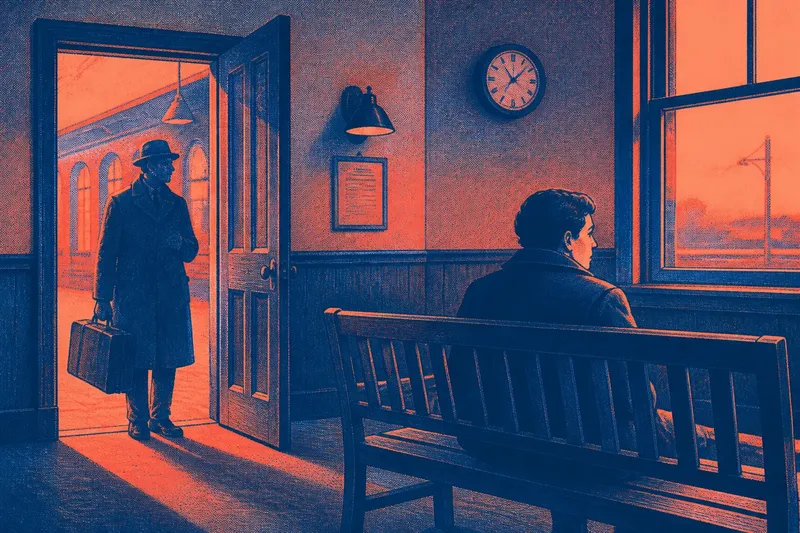
- Translate point of view into film form. Point of view shapes what the audience knows and how closely it understands a character. A novel can state a thought directly, but a film can limit what appears in the frame, place the camera near one character, or let a performance reveal more than the dialogue admits.
- Retain a character’s defining contradiction. Characters often remain recognisable not because they repeat the same actions, but because they face a similar clash between desire and principle. If a cautious character takes a risk in both versions, the circumstances can differ while the underlying tension remains legible.
- Preserve the story’s moral pressure. An adaptation may alter who makes a decision or what follows from it, yet keep the audience wrestling with the same difficult question. The relevant continuity is the dilemma itself, not necessarily the verdict the story reaches.
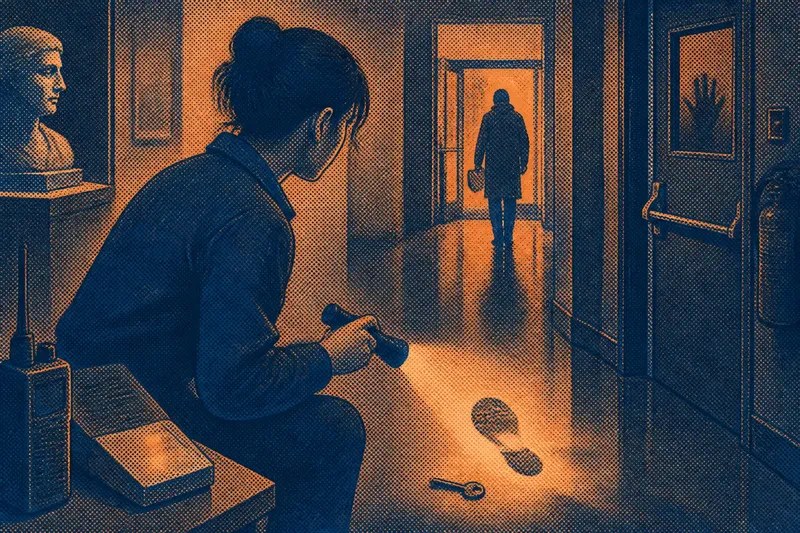
- Carry over a motif by changing its form. A recurring object, sound or image can connect scenes and make an idea tangible. A novel may return to the description of a locked room; a film might use the room’s door, its changing light or the sound from behind it. The motif survives if it continues to gather meaning, rather than merely appearing for recognition.
- Let film create its own emphasis. A camera can hold on a reaction, cut away before an answer, or make a location seem distant through framing. These choices can shift a reader’s attention without abandoning the story’s central concern. Adaptation is not a request to reproduce the book’s experience exactly; it is a chance to make that concern work through cinema.
What can stay the same?
Does a film need the novel’s exact plot?
No. A film can combine or reorder events if the changes preserve the central conflict and make the characters’ decisions understandable. If an alteration removes the pressure that shaped those decisions, however, it may change more than plot.
Can a film preserve a narrator’s point of view?
It can preserve the narrator’s limits, bias or intimacy without using a voice-over. Restricted framing, selective information and a performance that colours what the audience sees can create a comparable relationship to the story.
What if the ending changes?
Ask whether the new ending answers the same underlying question, even if it gives a different answer. A changed outcome can feel coherent when the film has prepared the audience for its particular emphasis and character choices.
Is voice-over always a faithful solution?
No. Voice-over can carry a narrator’s language, but it can also explain images that already communicate the same idea. It is most useful when the voice adds a distinct perspective or tension rather than simply reciting missing description.
Choosing film equivalents
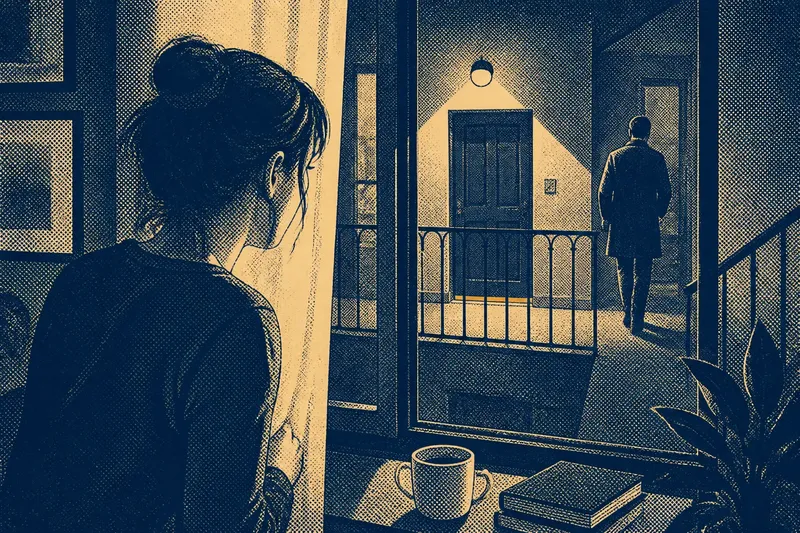
Consider a novel in which a tenant suspects that a neighbour is entering her flat, but cannot decide whether to confront him or protect her own sense of certainty. Imagine a film adaptation that removes long passages of self-questioning and instead returns to the tenant’s view of the corridor: a light under the neighbour’s door, footsteps that stop outside hers, then an ordinary greeting the next morning.
The film has changed the means of telling, but it can preserve the conflict between suspicion and self-doubt. The audience is placed close to the tenant’s uncertainty because it receives suggestive images without proof. If the film later shows the neighbour’s actions plainly, that point of view changes; the viewer now knows more than the tenant, and the story’s tension shifts accordingly.
When comparing versions, track one decision rather than trying to match every scene. Note what the character wants, what blocks that desire, and what information the audience has at the moment of choice. Then ask how the novel and film make that moment difficult: through thought, description, silence, blocking or sound.
This method also separates a deliberate adaptation choice from a change that simply feels unfamiliar. A new scene may preserve the same pressure more efficiently, while a famous line may do little if it no longer expresses the character’s situation. It is not worth the effort to treat every omission as a loss; some details belong chiefly to the book’s language and have no useful cinematic equivalent.
Reading changes fairly
Adaptations often have to compress a novel’s explanations and distribute attention differently. A film may make a minor character more visible because an actor’s presence, a recurring image or a short encounter can carry information that prose would handle in a paragraph. That shift need not mean the character has become the story’s new centre.
Instead, look at the pattern of emphasis. Whose choices shape the turning points? Whose uncertainty controls what the audience can know? If the film moves attention elsewhere, the adaptation may be offering a different point of view, not merely simplifying the source.
A useful comparison therefore considers both continuity and consequence. Identify what the film keeps—perhaps a conflict, a limited perspective or a moral dilemma—and then notice what its new form makes more visible or less certain. The novel-to-film adaptation becomes easier to judge when you ask whether its changes preserve meaningful pressure, not whether they reproduce the page.
On a second viewing, listen as carefully as you look: a pause, a repeated sound or a voice heard from outside the frame can carry the uncertainty that a novel once placed inside a sentence.